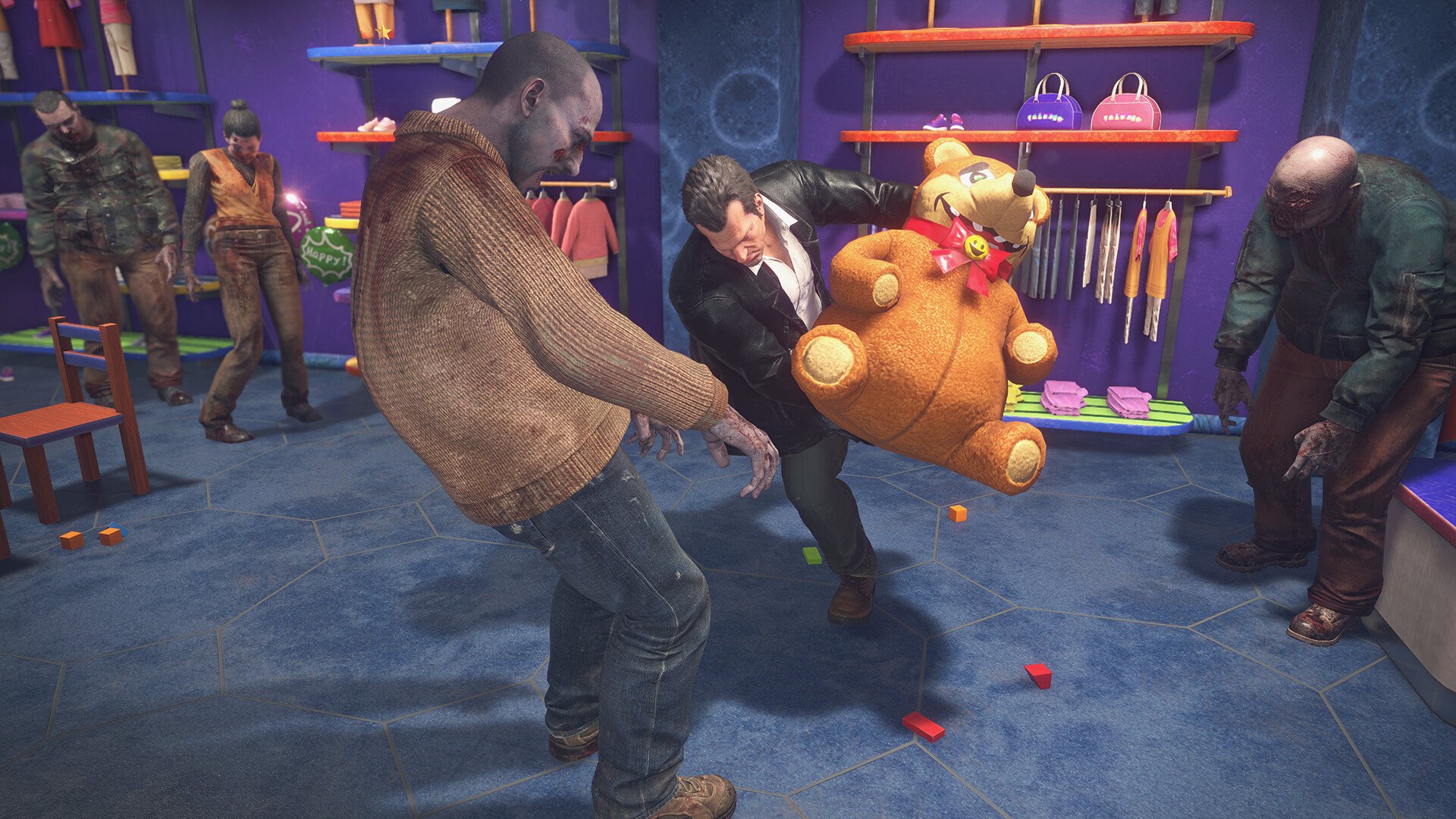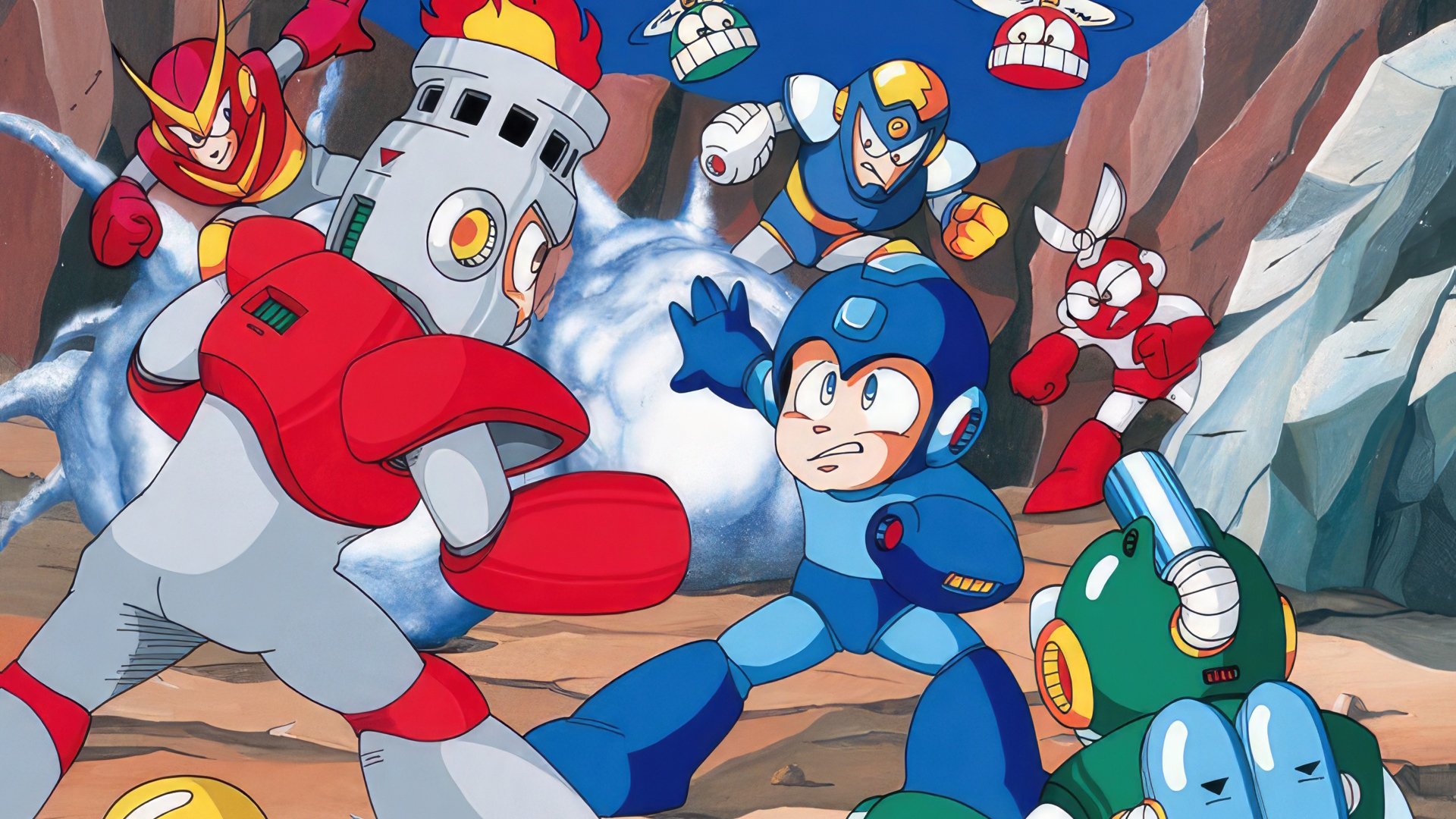

Mega Man designer Keiji Inafune has mentioned that recreation builders shouldn’t solely cling to their previous successes.
Inafune attended the Console Sport Developer Convention in South Korea final week, the place he gave a presentation on developer mindsets in a altering video games trade.
As reported by That is Sport, Inafune – who was character designer on the Mega Man sequence and producer on the Onimusha, Lifeless Rising and Misplaced Planet sequence, amongst different Capcom titles – defined that builders and publishers shouldn’t simply depend on always releasing sequels of established IPs or video games in fashionable genres.
“To be clear, it’s not that video games that proceed a sequence or construct off an present well-known style are dangerous,” he mentioned (by way of machine translation). “What I imply is that solely that’s not sufficient.”
Inafune defined that regardless that expertise has modified massively within the 38 years he’s been within the video games trade, the will to make successful has all the time been essential, however so too needs to be the will to look past that hit to determine what’s subsequent.
“When you make successful, sure, you’ve succeeded, however it will probably additionally place an amazing burden on you,” he defined. “Does success all the time look like an excellent factor? It’s good. You possibly can’t succeed once you’re in an state of hysteria – you want confidence, and that confidence requires a basis. A previous success can present that basis.
“However few individuals who succeed as soon as go on to succeed once more. Success brings optimistic results, however it additionally brings unintended effects. I’ve seen many individuals who cling solely to previous success. They cling to how issues had been finished at the moment and undertake a defensive perspective.”
Whereas Inafune primarily centered on the Mega Man sequence for some time, he was additionally concerned in different Capcom video games throughout that interval together with Breath of Hearth, DuckTales and Capcom’s Gold Medal Problem ’92.
Over time he additionally labored on Mega Man spin-offs, taking the sequence into new genres with video games like Mega Man: Battle & Chase, Mega Man Battle Community and The Misadventures of Tron Bonne, earlier than shifting onto different sequence totally.
“Within the video games trade many individuals have succeeded as soon as and that’s it, haven’t they?” he requested. “How usually did their sequels succeed too? I don’t wish to boast, however I take satisfaction in having many consultant works – not simply Mega Man, however Misplaced Planet, Onimusha, Lifeless Rising and so forth. The genres had been numerous too. As a result of I didn’t relaxation on previous successes.”
Inafune defined that when he began at Capcom within the ’80s and ’90s making one thing authentic was nearly taken without any consideration, as a result of there weren’t but established tropes like Monster Hunter-type, Resident Evil-type or Mega Man-type video games.
As of late, nonetheless, Infaune believes the trade has reached the stage the place everyone seems to be taking a defensive stance, and opting to make video games with a better likelihood of success.
Whereas he conceded that releasing the eleventh recreation in a sequence or the thirteenth recreation in a longtime IP often is the appropriate determination from a enterprise standpoint, he requested whether or not this might nonetheless be the proper path 5 or 10 years down the road.
Suggesting to the Korean builders in attendance that they need to begin specializing in console recreation growth, Inafune defined that if, in 5 or 10 years time, the Korean video games market was nonetheless primarily made up of ‘protected’ cellular video games and on-line video games, it needs to be questioned whether or not that’s an excellent factor.