

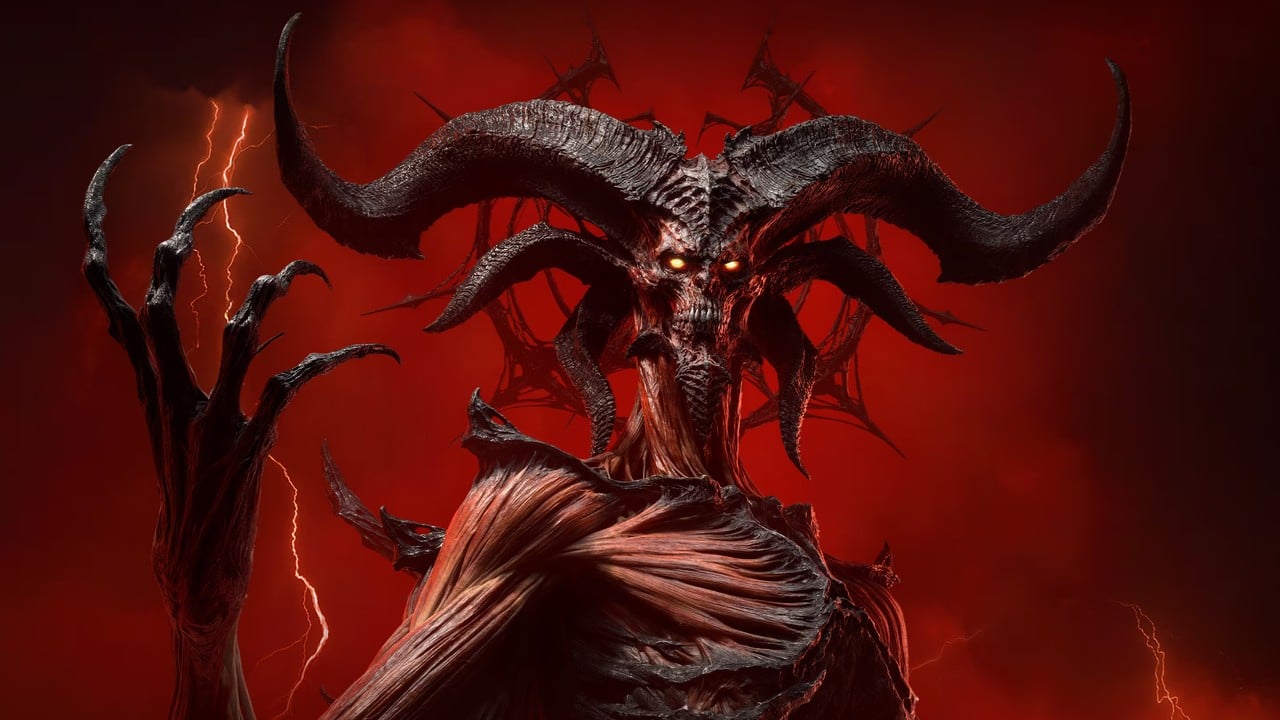

In 2018, Blizzard launched Diablo III: Everlasting Assortment on Change, which marked the writer’s first launch on Nintendo {hardware} because the N64 and the debut of the legendary franchise for Nintendo’s viewers. That port was a formidable feat again then, and Blizzard has now determined to one-up it with Diablo IV: Age of Hatred Assortment for Change 2.
Together with all base recreation and enlargement content material launched for Diablo IV thus far (it launched elsewhere in 2023), this port proves to be a formidable and complete package deal that no fan of motion RPGs ought to miss.
Diablo IV is ready on the earth of Sanctuary, an earthlike setting that exists as a type of holding floor for humanity amid the continued struggle between heaven and hell. A bunch of treasure hunters in an previous smash inadvertently trigger the return of Lilith, the creator of Sanctuary and daughter of one of many Prime Evils of Hell. You (“the Wanderer”) then get pulled into the battle between Lilith and the Horadrim, an historical and weakening group of warriors and mages fashioned to fight the Prime Evils.
Though storytelling isn’t precisely the robust go well with right here, it’s general a reasonably compelling story that feels a minimize above the efforts of earlier sequence entries. Lilith herself is a scene-stealing and charismatic villain who embodies the ‘impartial evil’ archetype within the considerably morally gray motivations of her ongoing mission.
In the meantime, the supporting characters of the Horadrim get a good quantity of significant growth all through their battle with Lilith and her followers, resulting in an general satisfying conclusion that tees up the expansions properly. Although I’d by no means counsel shopping for Diablo IV for the story alone, I’d additionally say you’re doing your self a disservice if you happen to have been to only mash by means of the cutscenes or skip the marketing campaign fully.
Gameplay falls proper in step with the standard ARPG style tropes the place you create a personality from one of some distinct lessons and slowly make them your personal over the course of a prolonged marketing campaign by means of creating their ability tree and kitting them out with gear that greatest helps the construct you’ve chosen. The principle marketing campaign acts as a strong manner of getting the lay of the land, issuing you numerous quests and sidequests to finish that ease you into the gameplay loop and offer you loads of room to experiment together with your construct as you step by step put it collectively.
Principally, it boils right down to going out into the wilds and delving into dungeons the place enemies drop items of loot left and proper. Most of it’s junk to your construct, however every so often a bit drops that provides an incremental enchancment on one thing you’re at present sporting. Then you definitely run again to city, promote or salvage all of the junk, and use the proceeds to both purchase even higher tools or to make modifications to your present package.
It’s an addictive gameplay loop, particularly given that you simply’re both levelling up or discovering new piece of loot each couple of minutes. There’s no telling when the subsequent reward is gonna hit for you, engaging you to go only a bit additional and do ‘only one extra’ fast dungeon run.
The eight lessons alone provide some wildly totally different takes on the core fight, and that is solely compounded by how every class will be in-built a wide range of methods by means of the versatile ability timber. Experimentation right here is inspired, particularly given that you simply’re not completely locked into any resolution—ability factors will be reallocated at any time, providing you with a lot of room to check out bizarre new concepts as you discover gear and give you synergies.

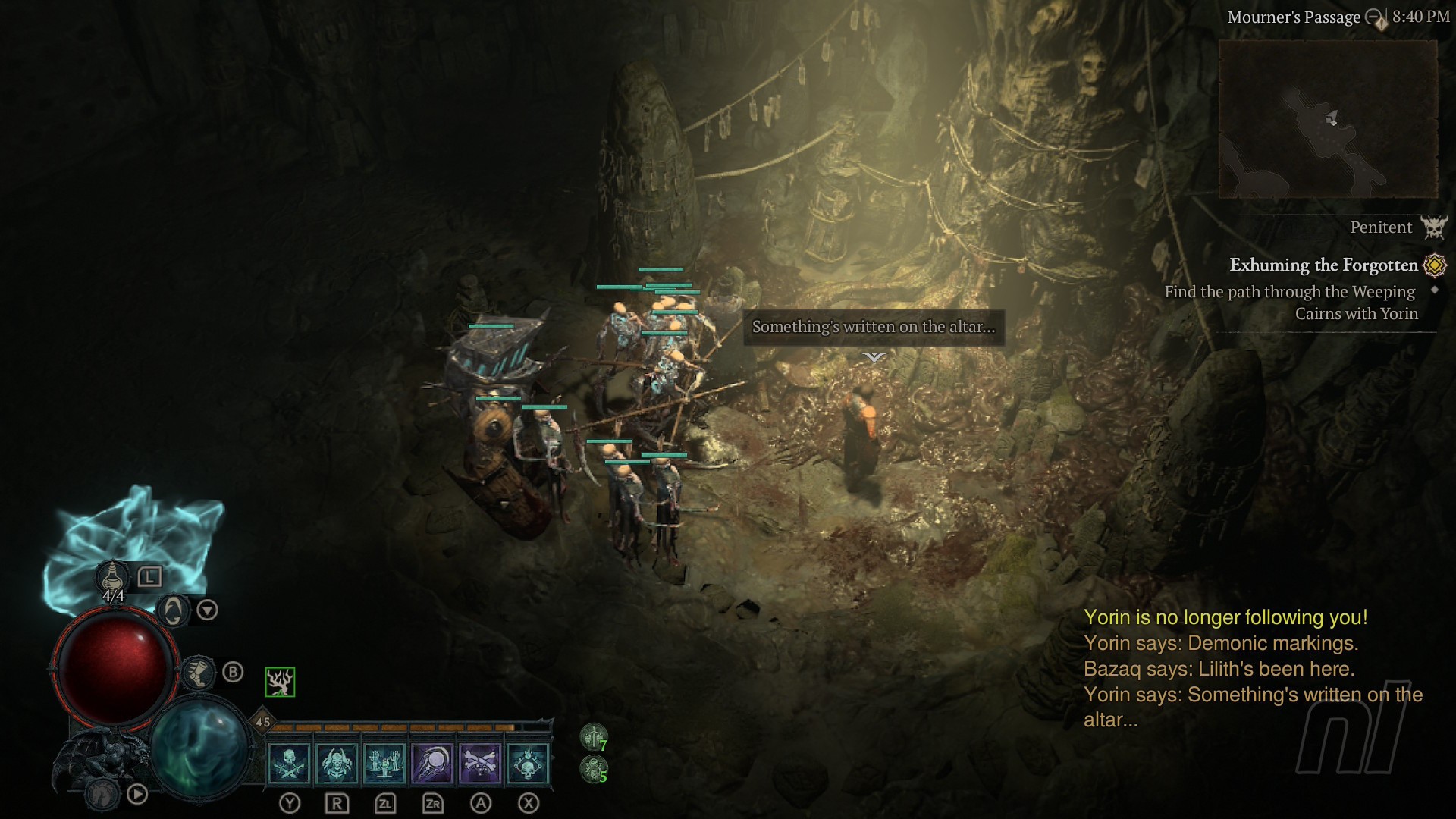
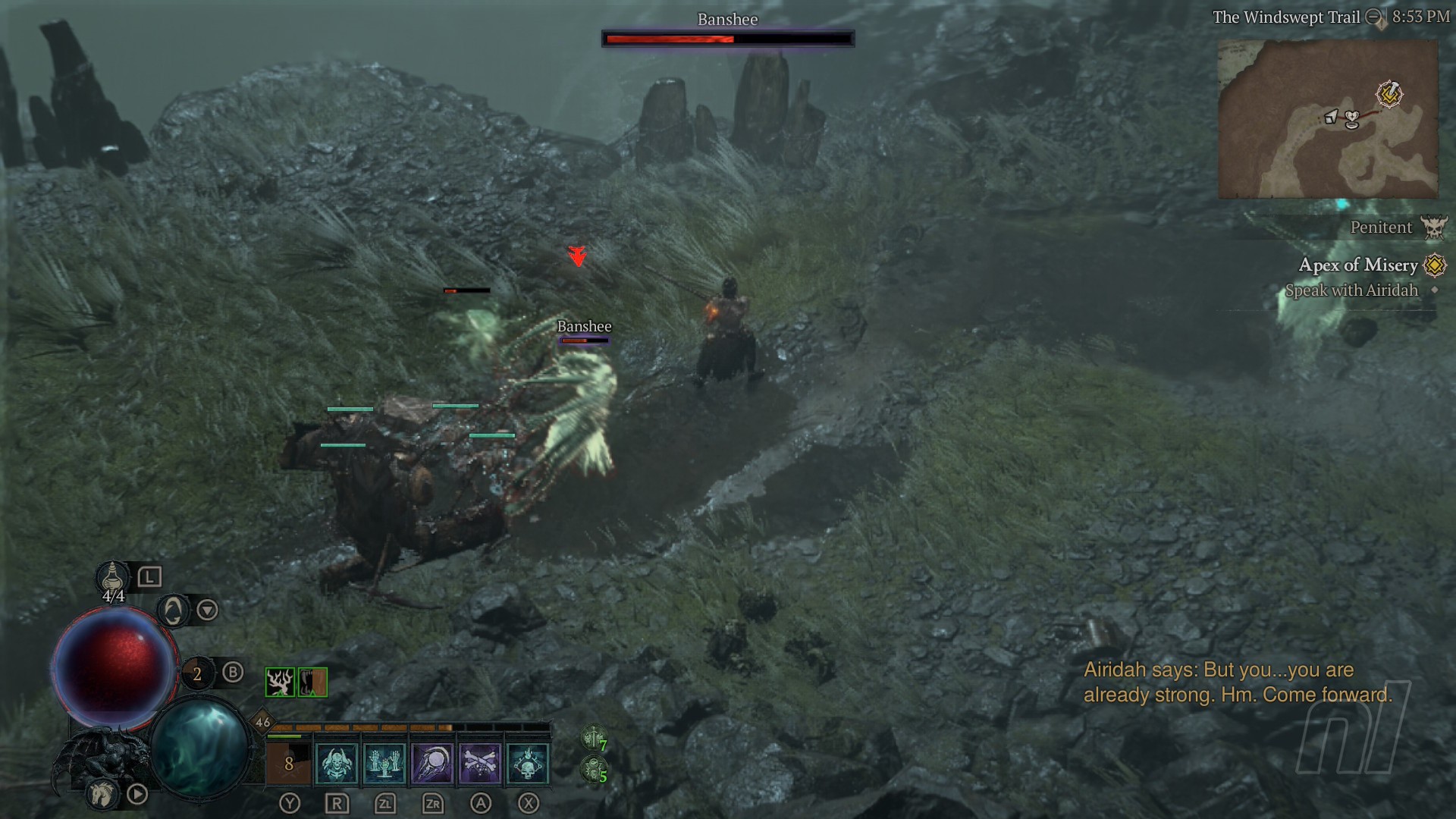
As a result of it’s approaching spooky season, my most well-liked class for this run was the Necromancer, and I opted for a construct that relied closely upon a small battalion of autonomous skeletal and undead minions who do all of the preventing for me.
The massive change that Diablo IV makes in comparison with its predecessors is the removing of impartial ‘zones’ and the introduction of a completely related open world. The large map is affected by a group of villages and hubs issuing quests, and whereas the primary story will expose you to a few of these on a floor stage, there’s much more to dig into if you wish to immerse your self additional and go for full completion. There are all types of optionally available dungeons and collectables to seek out out within the wilds, world bosses and random occasions to set off that provide memorable encounters and big rewards, and fascinating with all of it will slowly fill out a guidelines for the area that results in account-wide passive buffs.

It is partaking, nevertheless it typically feels just like the open world is there extra as a relic of an earlier growth construct than one thing that meaningfully contributes to the expertise. Most of the most profitable and significant actions are instanced and really feel reasonably separate from the world itself, and when you attain endgame, the infinite grind tends to coalesce round a small quantity of endlessly repeatable actions which once more don’t have anything to do with the open world.
On one hand, that is disappointing given the open-world potential for the franchise; it’s all the time felt like exploration has been of lesser significance within the gameplay loop, and it will’ve been fascinating to see what distinct concepts might come from a Diablo that places extra of a main give attention to its exploration.
Nonetheless, the thought of an unlimited open world to traverse feels a bit at odds with the identification of an ARPG and the repetitive actions on the coronary heart of 1, and I can’t say that I fault the builders for selecting to pivot away from it extra within the many post-launch patches and updates.
The bottom recreation itself can take a few hundred hours to clear in its entirety, and that’s solely the place the enjoyable begins. This Change 2 launch consists of each the Vessel of Hatred and Lord of Hatred expansions, which collectively will roughly double the bottom recreation’s playtime and content material. Not solely do these expansions provide their very own new areas and campaigns, but in addition new class choices and endgame actions to scale up the issues to sort out as you’re grinding your latest character as much as the top of their energy. Suffice to say, these expansions provide a refinement and extension of the programs the bottom recreation constructed; if you happen to loved the preliminary marketing campaign in any respect, you’ll have a nice time with these while you attain them.
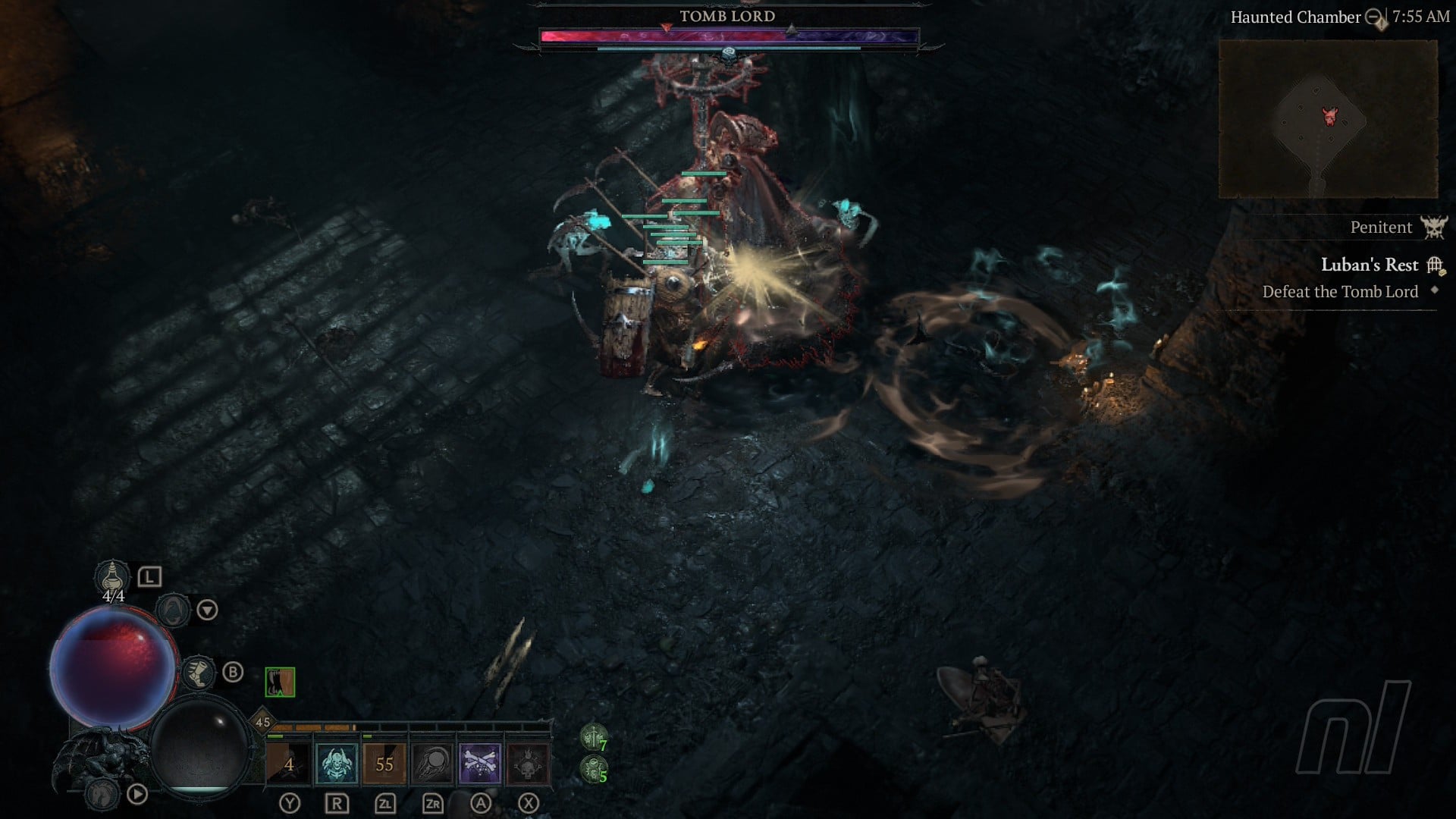
Relating to the visuals, Diablo IV opts for a a lot ‘heavier’ artwork type than the World of Warcraft-esque vibrant type of Diablo III. Right here, the world general has a extra photorealistic look to it and there’s general a extra looming feeling of dread and despair as you navigate shadowy crypts and foggy forests. The moodiness suits the sport’s tone very properly, and there’s a variety of nice little element in issues just like the reflections of torches off cave partitions and the descending shadows of cages swinging above.
All this performs moderately properly, with high quality and efficiency modes accessible to mildly tweak settings to your liking. High quality mode shoots for 30fps/1440p in docked mode and 30fps/1080p in handheld, whereas additionally providing you with the advantages of issues like greater high quality textures and a few ray tracing. Efficiency mode switches to 40fps/1080p in each modes in trade for a barely simpler-looking picture.
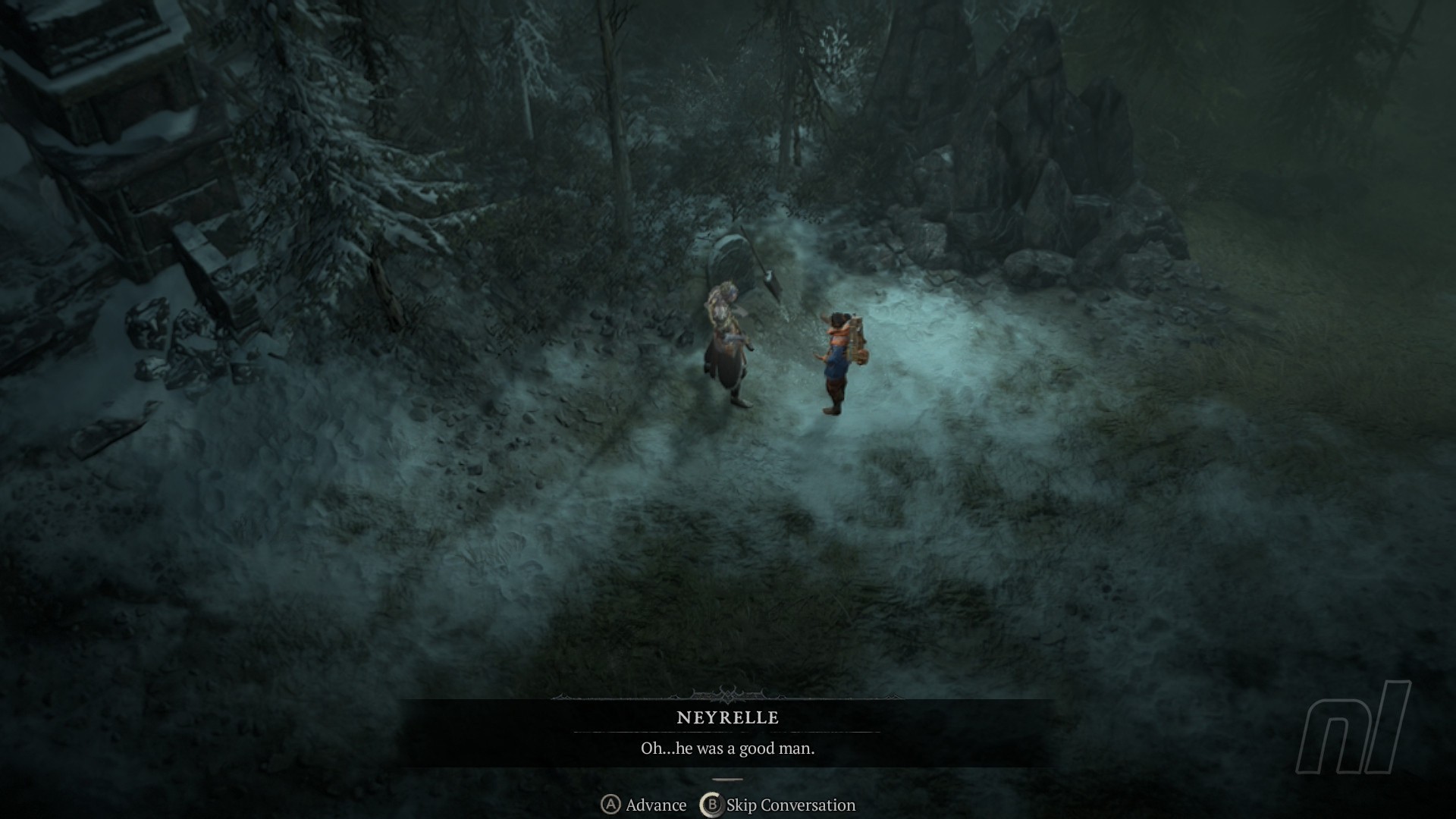
In my expertise, efficiency mode was the clear winner, particularly if you happen to play lots in handheld. The 30fps mode struggles far more with persistently hitting its efficiency goal, and even when it does, the picture high quality nonetheless isn’t near extra highly effective {hardware}. In the meantime, the one drawbacks I discovered within the efficiency mode have been with a lot of enemies on display screen without delay, through which case their particular person animations have been decreased and motion might look a bit claymation-esque.
Positive, there are visible trade-offs, however the truth that you possibly can play a model of Diablo IV that performs properly, seems to be this good, and will be performed in its entirety on the go is kind of engaging. Blizzard impressed me earlier than with the Change 1 port of Diablo III a number of years in the past, and its work right here actually goes to spotlight the leap in high quality of video games that may now run on Nintendo {hardware}.
It’s necessary to spotlight that that is an online-only recreation—dropping a connection will lead to you being booted again to the sport’s house display screen till you may get again on-line. Although it’s considerably disappointing that Blizzard didn’t embody an offline mode right here because it did with this recreation’s predecessor, web connectivity can also be a extra core a part of the design throughout the varied seasonal actions and world occasions. These with spotty connections will need to maintain this in thoughts, because the web requirement does restrict the contexts in which you’ll be able to play it on a transportable console.
Conclusion
Diablo IV: Age of Hatred Assortment is an gratifying and addictive RPG expertise that seems like match for the hybrid platform. Some minor missteps apart, the moody artwork type, addictive loot system, huge quantity of content material, and near-infinite replayability make this one a simple advice to anybody on the lookout for ‘time sink’ for his or her library.
The controversy will all the time put on on about the place this one belongs within the general sequence hierarchy, nevertheless it’s powerful to argue that this isn’t the most effective fashionable examples of an ARPG. On-line-only is one thing to think about, however Diablo IV provides among the greatest bang to your buck on the system.

