


Abstract
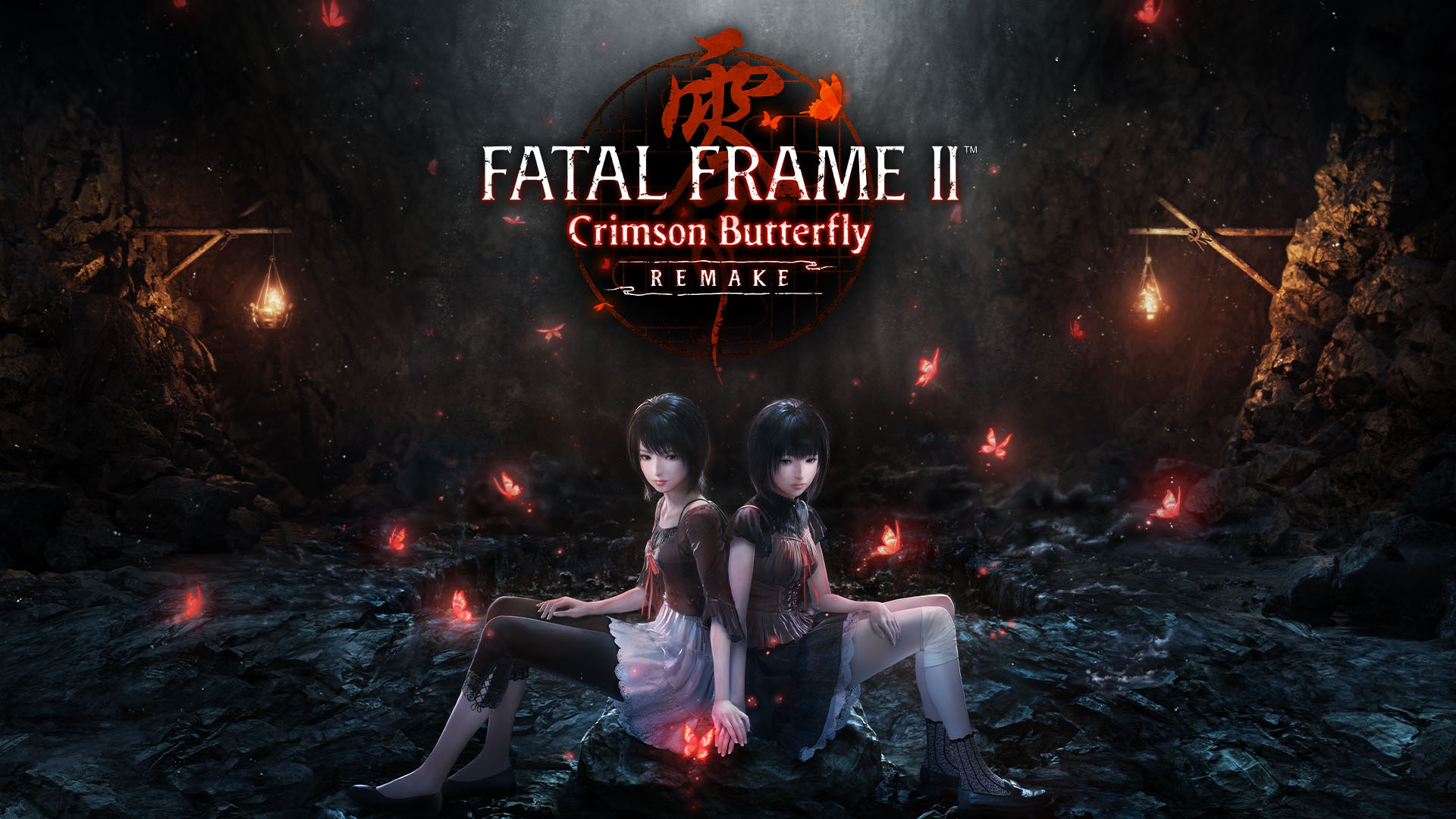
- The administrators of Deadly Body II: Crimson Butterfly Remake focus on bringing this Japanese horror basic to life.
- This remake is up to date with enhanced graphics, immersive sound, and a brand new, unfixed third-person digicam.
- Each the demo and full recreation are actually accessible on Xbox Sequence X|S
Initially launched again in 2003, Deadly Body II: Crimson Butterfly has lengthy been lauded as some of the terrifying Japanese horror video games to ever created. Recreation administrators Hidehiko Nakajima and Makoto Shibata, not too long ago sat down to debate the brand new mission, the keys to designing horror video games, and the real-life inspirations behind the hauntings.
Why did Workforce Ninja resolve to pick Deadly Body II: Crimson Butterfly for a full remake among the many many previous titles?
Shibata: In recent times, we launched remastered variations of the Deadly Body sequence, and so they obtained constructive suggestions from gamers who had by no means skilled the sequence earlier than. Round that point, as Workforce Ninja was planning a number of new initiatives, the Deadly Body sequence got here up for dialogue. Amongst them, Crimson Butterfly was essentially the most ceaselessly requested title from gamers, which led to this resolution.
Nakajima: It is rather common amongst long-time followers of the sequence, and on the identical time, it has robust identify recognition even amongst gamers who’ve by no means performed it.
Shibata: Whereas the sequence has an extended historical past, it additionally inevitably carried points akin to heavy controls and dated recreation design, which had been identified even within the two most up-to-date remasters.
Nakajima: We knew that creating a horror recreation can be difficult because it was not a style Workforce Ninja had expertise with. Nonetheless, each Shibata, the sequence director, and myself, together with different workers who had labored on previous Deadly Body titles, believed we may overcome this by leveraging the event setting and know-how cultivated by way of Workforce Ninja’s motion video games.
Shibata: By absolutely remaking the sport—remodeling the motion and revisiting each aspect—we felt we may remove any outdated impressions of the sequence and make it gratifying for contemporary gamers who play all kinds of horror video games right now. Provided that it has been a very long time because the final new Deadly Body title, we determined {that a} remake was the best method.
What sorts of discussions and alignment had been most essential between the motion and story groups throughout improvement?
Shibata: Broadly talking, I dealt with the story and setting, whereas Nakajima centered on the motion. Nonetheless, since horror video games are pushed by expertise, it was tough to strictly divide roles. We progressed by continually checking and discussing issues with one another.
Nakajima: The important thing focus was how the horror expertise would change on this remake, and what we would have liked to do to attain that.
Shibata: Within the unique, the sport’s digicam switched between mounted, third-person angles and first-person when utilizing the Digicam Obscura. This time, we adopted a regular third-person view for navigation, that means gamers are extra persistently rooted in Mio’s perspective. If we tried to recreate the unique staging precisely, it will require forcibly turning the digicam in the wrong way from the place the participant was wanting.
Nakajima: Forcing the participant’s view like that works in horror movies, however in an interactive horror recreation, it breaks immersion. This was a difficult level, so Shibata approached it from the angle of story, horror presentation, and the unique intent, whereas I centered on the way to understand that inside a 3D action-game house. We had completely different views so refined it by way of dialogue.
Shibata: To make gamers really feel the concern of Japanese horror with this management scheme and digicam, we redesigned the staging, environmental layouts, and the stream of gameplay.
Nakajima: In contrast to earlier Workforce Ninja titles, this recreation doesn’t prioritize action-driven exhilaration. Whereas bettering the controls’ responsiveness and really feel is critical, Mio is simply an extraordinary human with regular skills. Merely rising responsiveness would really feel unnatural. From a horror perspective, her actions wanted to really feel human, whereas from an motion perspective, controls wanted to stay stress-free. We adjusted the sport rigorously from each side.
How did you redefine “concern” for contemporary gamers?
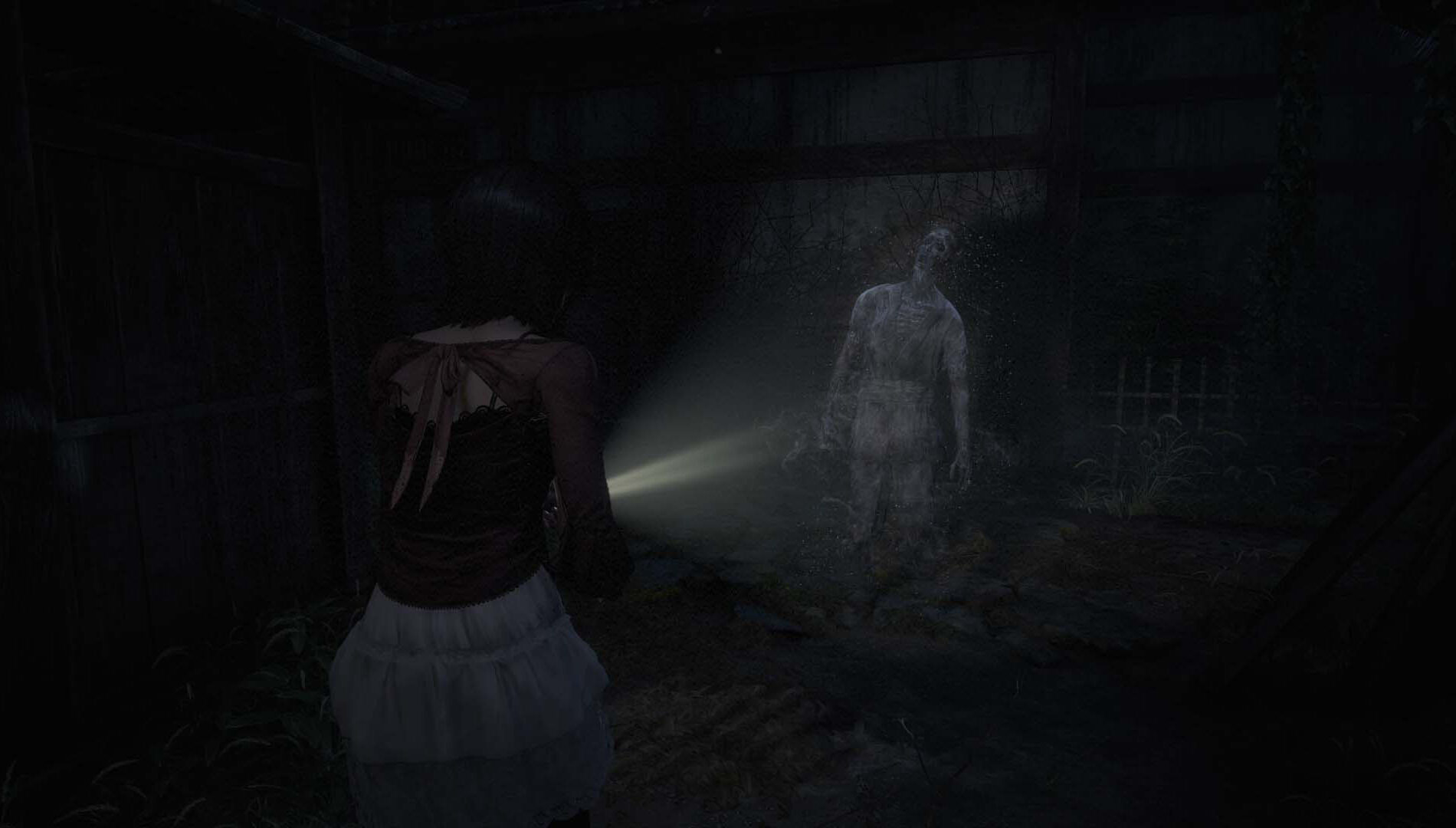
Shibata: The core idea of “concern that stimulates creativeness” stays unchanged from the unique. Nonetheless, the best way concern is delivered has modified. With the brand new controls and digicam, concern shifts from one thing the participant is “proven” to one thing they “find yourself seeing.” Concern now comes from realizing that you’ve got checked out one thing terrifying because of your personal actions.
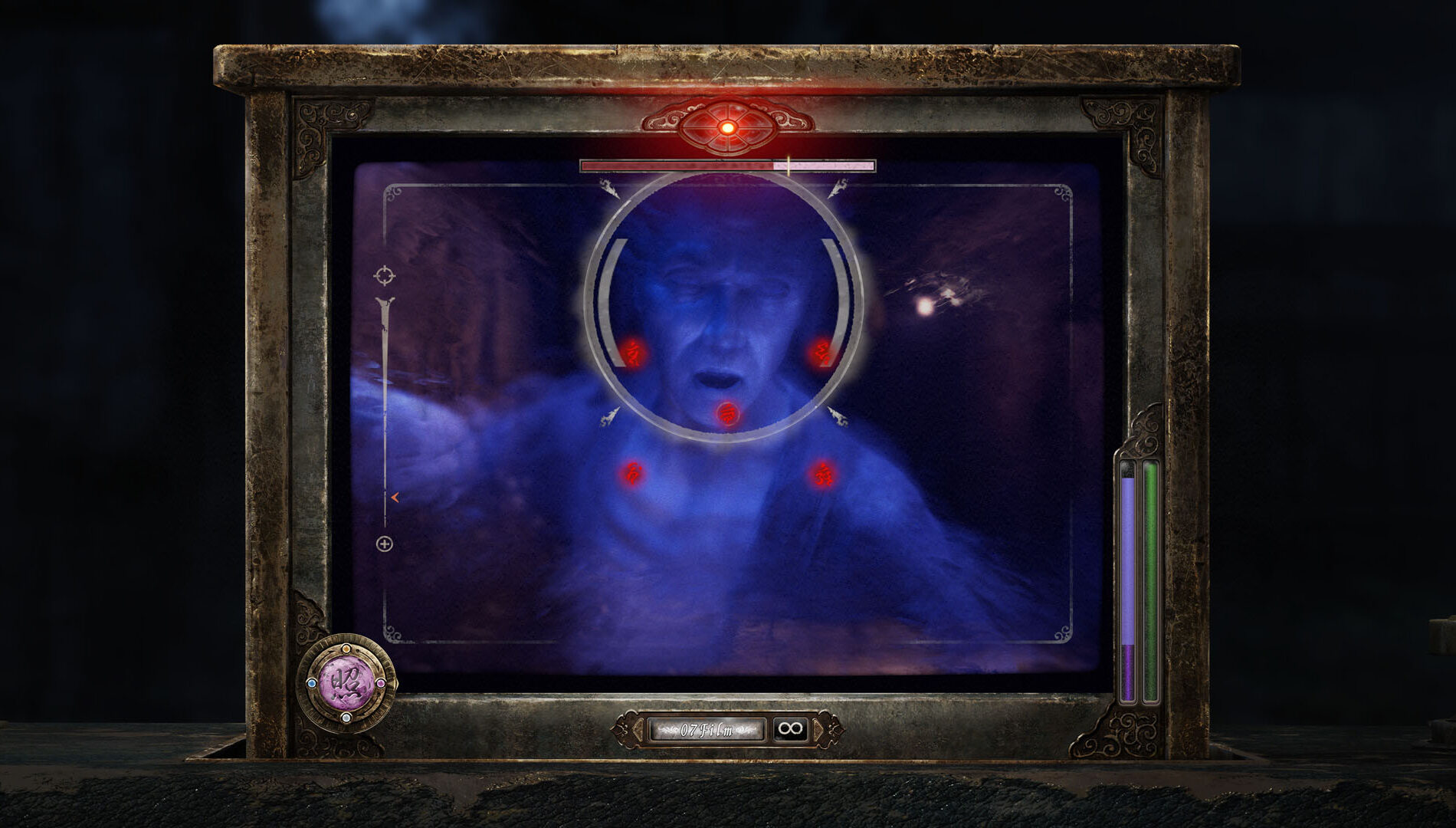
Nakajima: The earlier method had its personal distinctive allure, however when it comes to concern, we shifted from adventure-game methods to action-game methods. For instance, by permitting pure character motion and aligning the participant’s viewpoint carefully with the character’s, gamers really feel as in the event that they themselves are wanting across the village. By rising immersion, guiding consideration, and adjusting motion routes, gamers naturally “find yourself seeing” one thing horrifying. That stated, fight utilizing the Digicam Obscura stays unchanged—you continue to must face and look straight at terrifying entities to battle them.
With elevated technical capabilities, what parts did you deliberately prioritize or protect from the unique?
Shibata: If the visuals look too clear, the ambiance is misplaced. Within the unique, visible noise was continually utilized to the display screen to convey unease and the damp ambiance of Minakami Village. On this remake, we layered delicate visible noise on the display screen, which intensifies when wraiths are close by. Whereas clearer visuals exhibit the detailed CG, we deliberately roughened the picture to protect the ambiance. We additionally preserved the distinction in visible fashion—sensible environments and wraiths paired with a captivating protagonist. Though this method initially labored effectively with low-polygon fashions, additionally it is a part of the sequence’ identification. Whereas we improved pores and skin translucency and clothes textures, we maintained that distinction.
What was essentially the most tough resolution when balancing unique followers and new gamers?
Shibata: This wasn’t significantly tough. We saved the unique world and story intact whereas adopting trendy controls and digicam work for accessibility. We centered on how gamers work together with the world of Crimson Butterfly, and loved creating options like Digicam Obscura filters and the hand-holding mechanic.
Nakajima: The concern and story we wished to specific already existed. Our problem was determining the way to make that have accessible and simpler to play for brand spanking new gamers.
How did you leverage Workforce Ninja’s strengths, and the place did you deliberately restrain them?
Nakajima: Our energy lies in balancing pure motion with responsive controls. It is a horror recreation, and the protagonist is an extraordinary human. Placing a steadiness between Workforce Ninja’s signature responsiveness and pure motion was each our energy and one thing we consciously restrained. For instance, whereas inputs reply rapidly, the character’s movement emphasizes pure actions over pace. We fine-tuned parts like startup weight and strolling versus operating pace in order that motion feels pure with out inflicting management stress, permitting gamers to focus solely on the concern. After all, in the case of the motion of wraiths, we absolutely utilized Workforce Ninja’s experience.
What did Workforce Ninja be taught from creating a horror recreation?
Nakajima: Degree design and pacing of presentation. Horror video games rely much less on motion derived from terrain and enemy placement, and extra on the participant’s feelings and consciousness. For instance, revisiting a well-known location can evoke new concern. These insights can be utilized to motion video games.
What was uniquely difficult or rewarding about creating a remake?
Nakajima: As a result of there was an unique, we couldn’t drastically change or take away phases or wraiths. Revisiting each aspect from scratch was difficult.
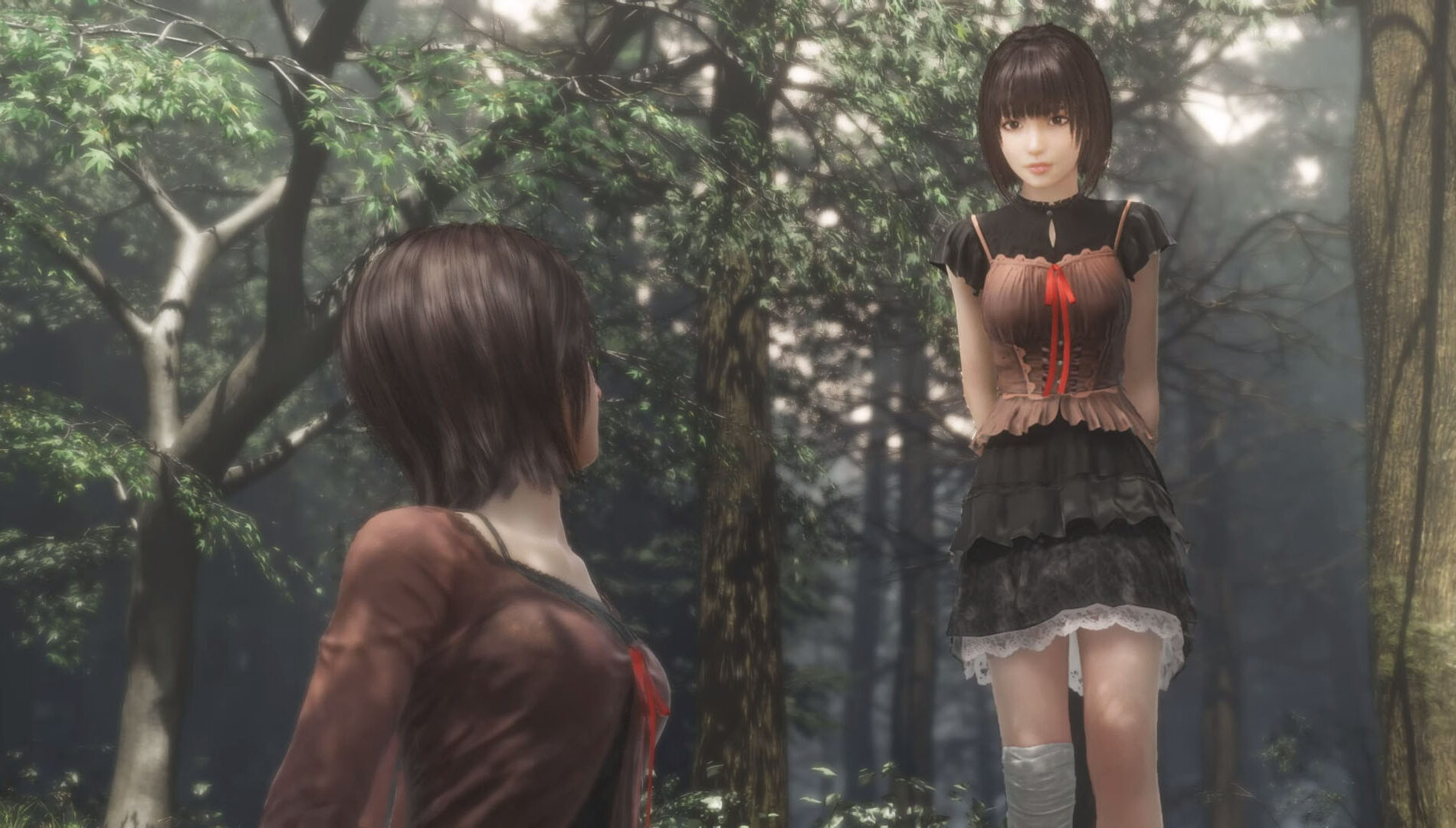
Shibata: Having the ability to add phases and actions that couldn’t be applied within the unique was very rewarding. The motion of holding Mayu’s hand is one such characteristic—one thing we ambitiously included as a result of Workforce Ninja excels at motion design.
How would you want gamers to method this recreation?
Shibata: For individuals who performed the unique, we wish them to get pleasure from seeing how a lot it has advanced. Because the unique was launched in 2003, reminiscences could also be idealized, however we consider this remake lives as much as these reminiscences.
Nakajima: For brand new gamers, we hope they get pleasure from it merely as a brand new horror recreation. Amongst many horror titles right now, this one presents an accessible solution to expertise Japanese horror.
Shibata: Every Deadly Body title tells a whole story, making this an amazing entry level for newcomers.
How do you view this remake throughout the general Deadly Body sequence?
Shibata: Though labeled a remake, we rebuilt each aspect from scratch utilizing Koei Tecmo’s newest engine. I see it as a reboot of the Japanese horror sequence.
Nakajima: With this title, we really feel we have now established a strong system for expressing Japanese horror, and we’d wish to additional develop it.
Might you share inspiration drawn from private experiences?
Shibata: I appear to understand ghosts extra by way of sound than sight. Ghosts emit distinctive sounds from their location—these sounds rise and fall however stay distinct to every ghost. Sensing their presence by way of sound is one thing we integrated into the Deadly Body sequence.
Which wraiths left the strongest impression on you?
Shibata: Chitose Tachibana’s ghost. Whereas most wraiths are terrifying, she seems to be cute, and when you be taught her background, defeating her feels tragic. She was essential in including selection to the wraiths.
Nakajima: All wraiths left an impression as a consequence of their backgrounds, however on this remake, Miyako Sudo stands out. As the primary wraith gamers encounter, she was the one we spent essentially the most time refining when it comes to illustration and fight.
Have you ever ever tried photographing a spirit in actual life?
Shibata: Even when a ghost appeared, I’d be too startled to react in time. I’ve made video games about immediately photographing ghosts for years, however in actuality, it’s extraordinarily tough.
In the event you may select a weapon to battle a ghost in the actual world, what wouldn’t it be?
Shibata: You may’t win in actual life—it’s higher to run. Ideally after taking a photograph!
Nakajima: I truly carry salt in my bag, so I’d in all probability throw that. However since I’m dangerous with horror, if I actually encountered one, I’d in all probability freeze in concern.
Deadly Body II: Crimson Butterfly Remake is now accessible on Xbox Sequence X|S.
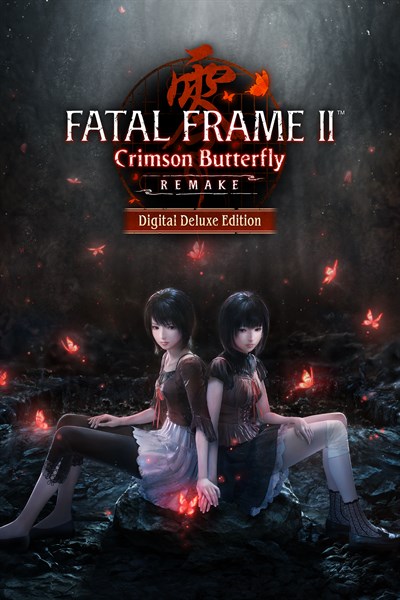
FATAL FRAME II: Crimson Butterfly REMAKE Digital Deluxe Version
KOEI TECMO AMERICA
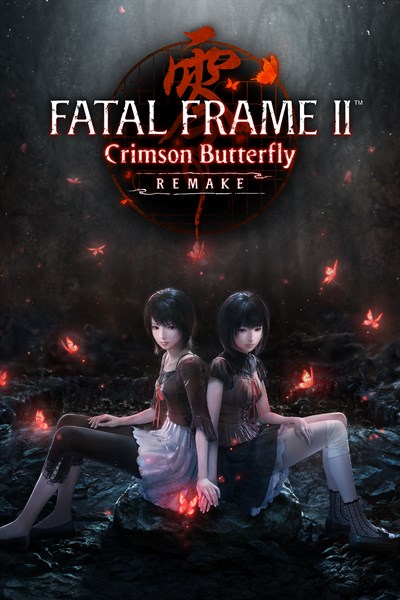
FATAL FRAME II: Crimson Butterfly REMAKE
KOEI TECMO AMERICA
